|
As we head into our perimenopause years and subsequently reach menopause, we can often find that allergies increase, our skin becomes sensitive and itchy skin is more of a problem, especially itchy skin at night. Hormonal changes during menopause can result in a selection of challenging symptoms, some are well known (like hot flushes, mood swings and vaginal dryness) but others are less understood, and we don't always realise these new symptoms are related to our declining hormone levels. Oestrogen is essential in the production of both collagen and the natural oils that keep our skin moisturised. But as our oestrogen decreases so our skin changes and can become thinner, itchier, sensitive and make us prone to developing allergies. Dry skin in midlife is much more common, although I don't have any specific allergies, I certainly need to moisturise my skin a lot more often. My favourite body oil is from Desavery! Choosing and wearing good quality underwear can not only help you feel more confident it can also make a big difference to the fit and look of your outfit as well as being more comfortable to wear and help with skin irritation and chafing. If you already have dry, sore skin in menopause then don't make it worse by wearing the wrong lingerie! This is a sponsored blog post. 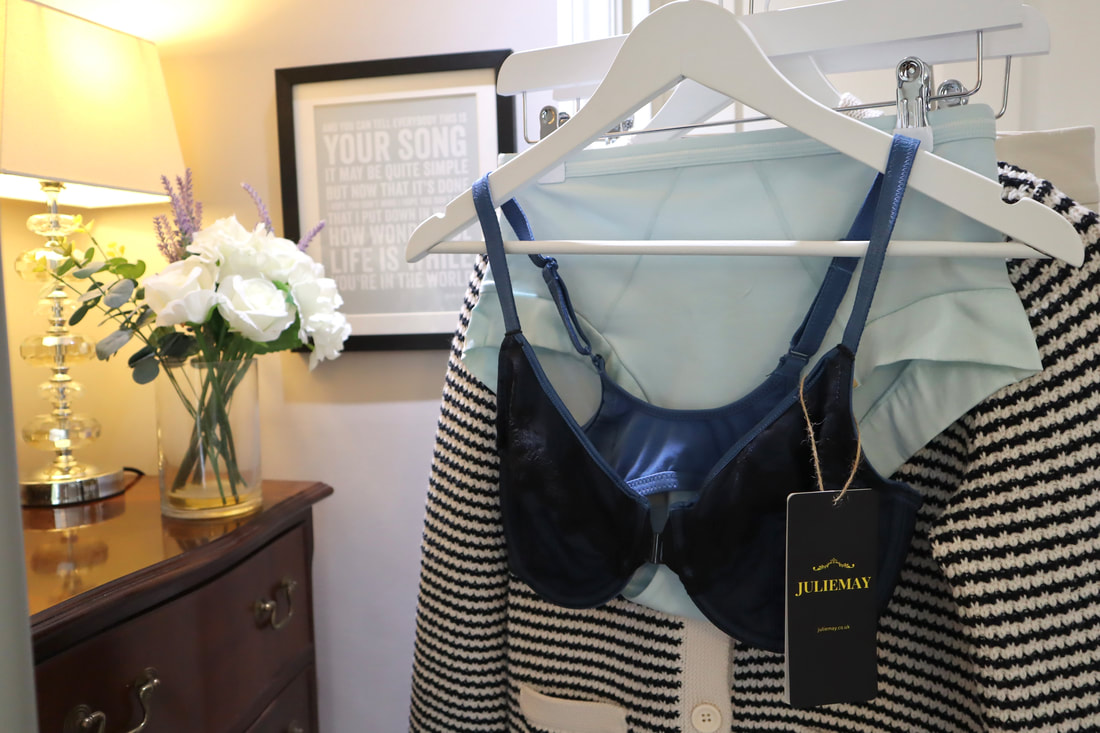 Lingerie for menopause and skin itching from JulieMay Lingerie
0 Comments
With 1 in 2 of women experiencing a vaginal infection in their lifetime, and many more getting recurrent UTIs especially in menopause, it is something that we need to all be aware of! Sadly many women are dismissed by their GPs and not given the help they so desperately need. Urinary tract infections (UTIs) become more common in menopause due to the physiological changes that take place. It's not an easy time! I personally have not had recurrent infections, but the one or two I have had were uncomfortable enough! My article shares information on how to prevent a UTI in menopause including a review of V-Health a new natural supplement from Feel Recurrent UTIs come under a set of symptoms known as Genitourinary Syndrome of Menopause (GSM) and they can severely impact on our quality of life. Depleting hormones means that the delicate vaginal ph is no longer present which can allow bad bacteria to flourish. So what can we do to prevent recurrent UTIs and better care for our vaginal health and can Feel V-Health help with that? This is a sponsored post. 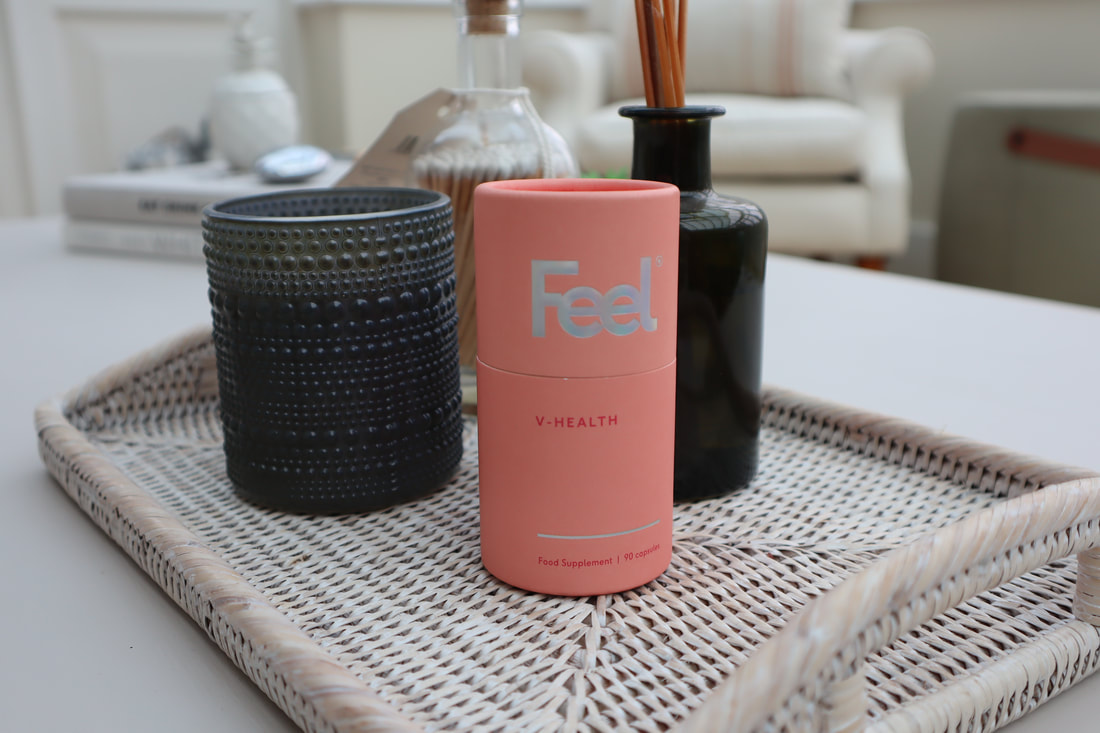 UTI in Menopause | Feel V-Health Review It's been a whole year since I travelled up to Tintern in Wales to join a women's only retreat, Awaken the Creatrix - Walk and Write Retreat. I was so inspired, so energised, hopeful that the challenges of a pandemic were behind us and better days were ahead. I remember being so determined to embrace positive thoughts, up my self-care, journal and walk in nature. And yet many of you following my blog and my social media will have noticed that despite my determination to look after myself better, this last year has turned out to be one of my most challenging yet. The lockdowns of 2020 and 2021 seem like a walk in the park (literally) compared to the difficulties that came with 2022 and 2023. I will admit that sitting down to write this, I am exhausted BUT optimistic that I can turn this around and get back to being me again. And something I have always done is write stuff down, especially since I've had my blog, and share my own struggles especially as so many of you can relate to the menopause element. If I commit my thoughts to paper (or blog) then the goals seem far more achievable. Although I admit I am not sure where to start but I am hoping that as I work through what has been going on for me, I can start to see where I need to make changes!  October 2022, Portishead Beach Desire and libido ... and menopause, a subject that is often discussed (usually anonymously) on Facebook menopause support groups and very occasionally after a few glasses of wine with girlfriends but many women are simply too embarrassed to discuss their sex lives. Even with their husband or partner. But if we don't, how do we understand what is normal, how can we resolve what might be really simple worries and find the rewarding, loving and happy sex life we deserve - yes even in our 50s and beyond! There is no 'normal' that you need to adhere to ... what works for one couple, may not work for another couple and if both partners are happy with the quality and frequency of sex in their relationship then that is all that matters. However, did you know that a sexless marriage (or relationship) is considered to be one where there has been no sexual intimacy for over a year and a low sex marriage is where sexual intimacy happens less than once a month. If you want to reignite your sex life beyond menopause and understand more about desire and libido then please be reassured there are very few issues that cannot be resolved with a little bit of patience and the right support. Sex is good for our wellbeing! It releases feel-good hormones which help to reduce stress and make us feel happier which in turn has a positive impact on our relationship. Sex is good for the heart and can even stop us getting sick, it can also prevent headaches, help us sleep better, make our brains sharper, and prevent incontinence. Plus it can really help with the age old problem of the grumpy husband! But you don't need to have a partner to be having a happy and satisfying sex life, solo sex has all the above benefits too. Isn't it time we stopped being embarrassed and embraced our sexual wellbeing? In my blog post I am going to share some information on the most common reasons why your sex life might be faltering in midlife and offer some ideas for how you can get help if that is what you would like! This blog post is sponsored by Lovehoney. 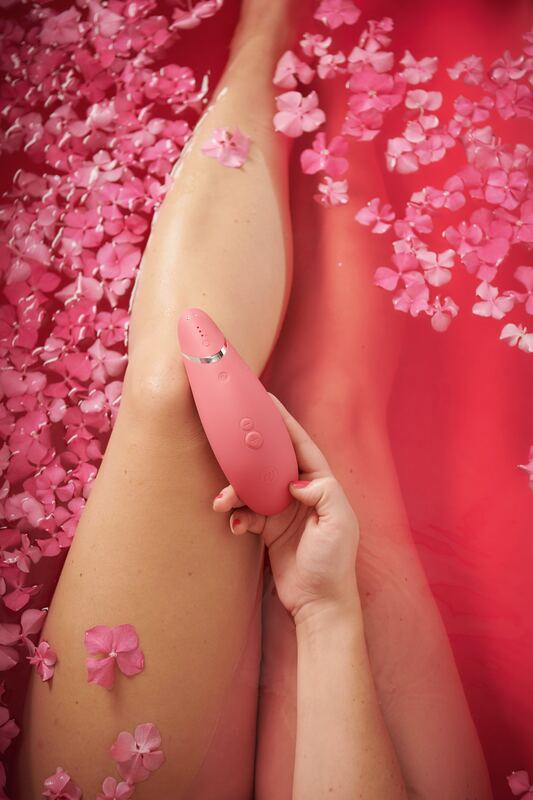 Photo by Womanizer Toys on Unsplash |
Michelle ...Welcome to Fifty & Fab, a lifestyle blog designed to inspire and empower you. As a dedicated blogger, I share my passion for health, menopause, fitness, beauty, and style, with a special focus on women over 50. 

Categories
All
Subscribe below to receive regular updates by email:

Hi, I’m Michelle and my blog Fifty & Fab is all about my journey into and through my 50s. I started this blog in 2016 with the purpose of helping other women at this stage of life. I’m delighted that my blog has grown to over 13k visitors per month. Visit my Work with Me page and request my Media Kit for details of product reviews, blogging services and social media content creation.
Join my mailing list (above) for regular updates and don’t forget to look at my social media pages too.. 

Archives
July 2024
|